Why Private Security is Essential for Protecting Growing Data Centers
Data centers are the backbone of today’s digital world. They store, process, and manage vast amounts of information that businesses and individuals rely on every day. As these facilities grow in size and importance, their security needs become more complex and critical. Protecting data centers from physical threats is just as important as cybersecurity measures. This is where private security guards play a vital role.
The Rising Importance of Data Centers
Data centers have expanded rapidly due to the increasing demand for cloud computing, streaming services, online transactions, and remote work. These facilities house servers, storage systems, and networking equipment that keep digital services running smoothly. Any disruption or breach can lead to significant financial losses, data theft, or damage to reputation.
With this growth, data centers face more risks, including:
Unauthorized access attempts
Vandalism or sabotage
Theft of hardware or sensitive data
Natural disasters and emergencies
Because of these risks, relying solely on technology-based security like cameras and alarms is not enough. Physical security personnel provide a human presence that can respond quickly and adapt to unexpected situations.
The Role of Private Security Guards in Data Centers
Private security guards serve as the first line of defense for data centers. Their responsibilities include:
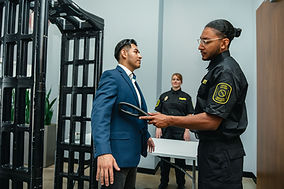
Monitoring entry and exit points to ensure only authorized personnel gain access
Conducting regular patrols inside and around the facility to detect suspicious activity
Responding immediately to alarms or security breaches
Coordinating with local law enforcement and emergency services when needed
Enforcing safety protocols and visitor policies
Security guards bring a level of vigilance and judgment that technology cannot replace. They can identify unusual behavior, intervene in potential threats, and provide reassurance to employees and clients.
Why Technology Alone Cannot Secure Data Centers
Modern data centers use advanced security systems such as biometric scanners, CCTV cameras, motion detectors, and electronic locks. While these tools are essential, they have limitations:
Cameras can be tampered with or disabled
Automated systems may generate false alarms or miss subtle threats
Technology cannot physically stop intruders or handle emergencies
Systems require human oversight to interpret data and take action
Private security guards complement these technologies by providing real-time assessment and intervention. Their presence deters criminals who might otherwise attempt to breach the facility.

Benefits of Hiring Private Security for Data Centers
Data center operators gain several advantages by employing private security personnel:
Enhanced protection: Guards reduce the risk of unauthorized access and theft.
Faster response: Immediate action during incidents limits damage and downtime.
Compliance support: Many regulations require physical security measures that guards help fulfill.
Customized security: Guards can adapt to specific site needs and evolving threats.
Peace of mind: Staff and clients feel safer knowing trained professionals protect the facility.
For example, a large data center in Northern Virginia reported a 40% drop in security incidents after hiring dedicated security guards alongside their existing electronic systems.
Challenges in Securing Growing Data Centers
As data centers expand, security teams face new challenges:
Larger perimeters to monitor, increasing the risk of blind spots
More employees, contractors, and visitors requiring access control
Integration of multiple security technologies with human oversight
Keeping up with evolving threats such as insider risks or targeted attacks
To address these challenges, security providers often train guards in specialized skills like cybersecurity awareness, emergency response, and customer service. They also use advanced communication tools to coordinate patrols and share information quickly.
Best Practices for Data Center Security Guards
Effective security at data centers depends on well-trained guards who follow clear protocols. Some best practices include:
Strict access control: Verify identities and credentials for everyone entering the facility.
Regular patrols: Cover all critical areas, including server rooms, loading docks, and parking lots.
Incident reporting: Document and escalate any suspicious activity or breaches immediately.
Emergency drills: Practice responses to fires, power outages, or security threats.
Collaboration: Work closely with IT teams and management to understand security priorities.
By maintaining high standards, security guards help create a secure environment that supports uninterrupted data center operations.
The Future of Data Center Security
As data centers continue to grow, their security will evolve with new technologies and strategies. Private security guards will remain essential, working alongside automated systems and AI tools. Their ability to think critically, respond flexibly, and provide a human presence will keep data centers safe from physical threats.
Investing in private security is an investment in the reliability and trustworthiness of data centers. It protects valuable assets and ensures that the digital services we depend on remain available and secure.